
How the Last Storm Affected Sri Lankan Tourism and the Road to Recovery
In late November 2025, Cyclone Ditwah struck Sri Lanka, unleashing one of the most devastating natural disasters the island nation had faced in decades. Formed over the Bay of Bengal, the cyclone made landfall on November 28 and then lingered with torrential rains, strong winds, and widespread flooding. The storm brought significant human and economic costs, leaving deep impacts on infrastructure, communities, and one of the country’s most vital sectors tourism.
Immediate Impact on People and Places
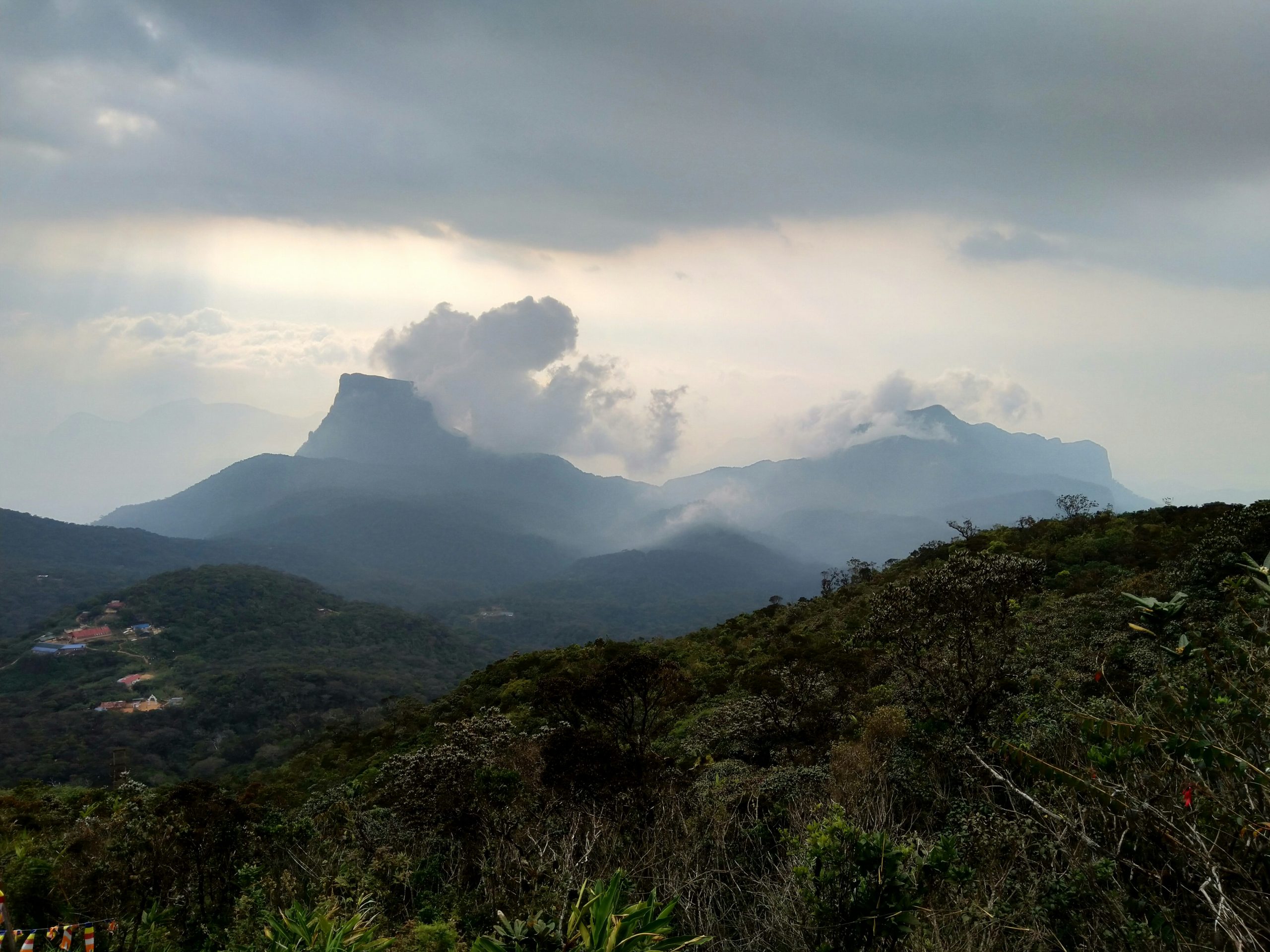
Cyclone Ditwah caused extreme weather across much of Sri Lanka, triggering heavy flooding, landslides, and widespread damage. Estimates place the number of people affected in the hundreds of thousands, with loss of life rising into the hundreds, and disruption to basic services such as electricity, transport, and communications in many regions. The northeastern parts of the island, as well as sections of the central hill country known for its scenic tea estates and cultural routes, were particularly hard hit. Roads, bridges, and smaller airports suffered damage, complicating movement and emergency response in rural and tourism-linked areas.
The human toll was staggering with large numbers of displaced families, flooded homes, and landslides in areas such as Kandy and Nuwara Eliya both critical nodes in Sri Lanka’s tourism product offering. While fatalities and missing persons were tragically high, even more widespread was the disruption to everyday life in towns and rural areas that depend on seasonal visitors for income and jobs.
Tourism Sector Disruption: Direct and Indirect Effects
The impact of Cyclone Ditwah on Sri Lanka’s tourism sector was multifaceted:
-
Travel disruptions: Flooded roads and damaged rail lines led to early cancellations, flight diversions and delays around Bandaranaike International Airport and other regional gateways.
-
Safety concerns and perception: Travel advisories from major markets temporarily warned of disrupted infrastructure, raising concerns among potential visitors about safety, particularly for travel to the hill country and eastern coastal destinations.
-
Local losses: Small and medium-sized tourism enterprises; homestays, guesthouses, boutique hotels and informal tour operators bore much of the brunt of weather-related losses. Many properties were damaged or inaccessible, forcing temporary closures and revenue shortfalls.
-
Economic reverberation: The broader economy also felt the storm’s shock. Roads and bridges that link major tourist circuits needed repair, and the agricultural sector including tea production tied to hill-country attractions were disrupted, making the overall business environment more challenging for tourism operators.
Yet while the cyclone’s effects were severe, the core tourism products beaches, cultural heritage sites, national parks and urban centres remained largely intact and rapidly reopened as conditions improved. Many major hotels and coastal resorts remained operational throughout December, even as infrastructure repairs were underway.
Sector Response and Early Recovery
In the weeks following the storm, Sri Lanka’s tourism authorities, businesses, and government moved quickly to stabilise the situation and manage misconceptions about safety and access. Key recovery measures included:
-
Communication and reassurance: The Sri Lanka Tourism Development Authority (SLTDA) and travel partners provided frequent updates to international markets, emphasising that major destinations including the south coast, Cultural Triangle, and national parks were open to tourists.
-
Flexibility for travellers: Visa extensions were offered free of charge for tourists affected by the cyclone, and airlines were urged to waive rebooking fees, helping to reduce cancellations and encourage travellers to maintain plans rather than postpone them indefinitely.
-
Targeted support: Tour operators rerouted itineraries around damaged areas, and ground transport providers offered alternative connections to maintain access to key sites.
-
Marketing efforts: “Open and ready” campaigns aimed at key source markets notably India, Europe and beyond sought to reassure visitors that Sri Lanka remained a desirable and safe tourism destination through the peak seasons and into 2026.
This proactive approach appears to have paid dividends. Tourist arrivals remained strong through December 2025, and Sri Lankan authorities set an ambitious target of 3 million international visitors in 2026, partly to accelerate recovery from the cyclone’s economic fallout and support broader economic growth.
Looking Ahead: Resilience and Sustainable Growth
The storm highlighted a central truth for Sri Lanka’s tourism strategy: climate resilience must be integrated into long-term planning. The country’s geographical diversity and its exposure to monsoons and cyclonic weather means that extreme events can occur with little long-term notice. Tourism infrastructure, particularly in vulnerable regions, must be designed or retrofitted to withstand future shocks without disrupting operations for extended periods.
Recovery efforts through late 2025 and early 2026 demonstrate the sector’s flexibility. With continued support from government agencies, private sector partners, and international aid, the industry aims not just to restore visitor numbers but to build greater resilience against future climate events ensuring that Sri Lanka’s natural beauty and cultural heritage remain accessible to travellers from around the world well into the future.