
Trends in Sri Lanka tourism; present and the future
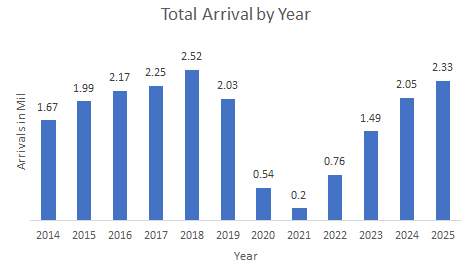
After a sharp shock in 2022, tourism in Sri Lanka has rebounded strongly. Numbers recovered through 2023–2025, government policy is shifting to attract higher-spending and longer-stay visitors (including remote workers), and the product mix is moving toward experiences wildlife, wellness, tea-country stays, surf, and cultural heritage. The next five years are likely to show continued growth, but that recovery depends on macro stability, sustainable planning, and smarter product and market diversification. (Sources: SLTDA, World Bank, SLTDA growth scenarios, WTTC).
1) What changed recently: the recovery story
-
From crisis to rebound. Sri Lanka’s economy and tourism were hit hard by the 2022 balance-of-payments crisis and related disruptions. Since 2024 the sector has been recovering quickly as flights returned, hotels reopened and demand from nearby markets rose; the World Bank and national tourism statistics both report meaningful growth and a stronger services sector contribution in 2024.
-
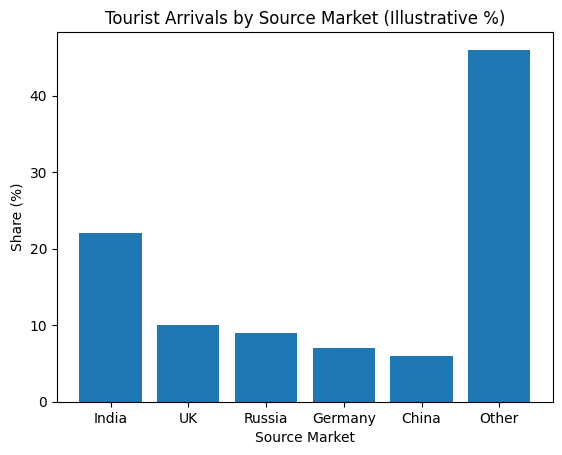
Arrivals returning but patterns shifted. Monthly and annual SLTDA reports show tourist arrivals returning to hundreds of thousands per month by late 2024 and into 2025, though monthly totals still fluctuate and differ from the pre-2019 mix. Top source markets in the rebound include India, Russia, the UK, Germany and China (with India often the largest single source in 2024).
2) Demand-side trends shaping the market
-
Near-market demand matters more. Shorter flights from South Asia (India, Maldives) and the Middle East have become especially important as price-sensitive holiday traffic and weekend escapes.
-
Experience travel over “sun-and-sand” alone. Travelers are booking multi-experience itineraries: wildlife safaris (Yala, Wilpattu), hill-country tea stays (Nuwara Eliya, Ella), cultural circuits (Anuradhapura, Sigiriya), and surf trails (southwest and east coasts). Social media visibility of train journeys and tea-estate stays has also boosted these niche itineraries.
-
Longer stays & high-value segments targeted. To improve per-visitor yield, policy and marketing are shifting toward wellness tourism, luxury eco-lodges, MICE and higher value packages rather than purely low-cost mass arrivals.
-
Digital nomads and remote workers. A formal digital-nomad visa and related immigration guidance were introduced to attract remote workers who can stay months to a year, creating new long-stay demand for co-living, coworking and lifestyle packages. This is an important new segment that can smooth seasonality and raise average spend.
3) Supply-side developments and policy moves
-
Infrastructure & connectivity improvements. Airlines resumed and increased routes post-crisis; investments in hotel refurbishments and boutique properties have followed traveler demand for higher quality stays. SLTDA’s planning documents outline growth scenarios and capacity planning.
-
Targeted visas & incentives. The government has introduced incentives (including the digital nomad visa and streamlined processes) to broaden the visitor mix. Clear regulation for the new visa category helps operators design products for remote workers.
-
Sustainability & certification push. Hotels and tour operators are increasingly adopting sustainable credentials (waste, energy, community engagement) to appeal to environmentally conscious travelers and to protect fragile ecosystems.
4) Major challenges ahead
-
Macro vulnerability. Tourism’s recovery is tied to macroeconomic stability; currency, fuel costs, and inflation affect air connectivity and operating margins. Recovery could stall if external shocks reappear.
-
Seasonality and geographic concentration. While Colombo, the southern beaches, and hill country get most attention, under-developed regions (east coast, cultural hinterlands) need careful, sustainable development to avoid overtourism in hotspots and economic leakage.
-
Climate risks & biodiversity pressures. Rising temperatures, coastal erosion and changing monsoon patterns can affect beach seasons, wildlife viewing and agricultural landscapes (tea). Planning must factor climate resilience.
-
Skills & labor. Rebuilding a skilled hospitality workforce after the downturn remains a priority — training and retention will determine service quality as arrivals grow.
5) Projections & scenarios (what to expect 2025–2030)
-
Near term (2025–2026): Most official scenario analyses and international bodies expect moderate growth (single-digit percentage gains year-on-year) if macro conditions remain stable. The SLTDA’s growth scenarios and UNWTO guidance point to a realistic 3–5% uplift in arrivals in favourable conditions, with higher upside if demand from higher-yield source markets increases. Continued infrastructure and visa improvements (digital nomad visa included) can accelerate yield improvements.
-
Medium term (2027–2030): If Sri Lanka successfully upgrades its product mix (luxury, wellness, eco experiences), improves sustainability credentials, and deepens source-market diversification (India + Europe + long-haul high-spenders), tourism receipts could outpace arrivals growth i.e., higher revenue per visitor. However this requires steady investment, climate adaptation, and marketing. International forecasts (industry bodies like WTTC) show travel & tourism remaining a key growth engine if policy and private investment align.
6) Recommendations for stakeholders
For policy makers:
-
Stabilise macro fundamentals and maintain predictable, tourism-friendly visa/airline policies.
-
Invest in climate-resilient infrastructure (coastal defenses, water management) and spread tourism development geographically to reduce pressure on hot spots.
For industry:
-
Build product bundles for remote workers (long-stay packages, coworking + wellness).
-
Upskill staff and invest in sustainable operating practices that can be certified and marketed.
For marketers:
-
Promote multi-day experiential itineraries (tea trails + train + wildlife) and target high-yield segments in Europe, North America and select parts of Asia.
For investors:
-
Look at boutique accommodations, regenerative tourism projects, and B2B services for longer-stay visitors (healthcare, education, coworking infrastructure).
Bottom line
Sri Lanka tourism has moved decisively into a recovery and reorientation phase: fewer one-off budget trips and more experience, longer stays and targeted high-value segments. The introduction of a digital-nomad visa, improving air links and renewed investment create a favourable environment for growth, but the upside depends on macro stability, climate-aware planning, and stronger product-market fit. With thoughtful policy and private sector action, Sri Lanka can aim not just for visitor numbers, but for sustainable, higher-value tourism that benefits communities and conserves the island’s natural assets.